Independent Living Program
The Independent Living Program was developed in 1991 as a natural and logical extension of the CHARLEE Family Care Group Homes. This program was established when it became apparent that there was a tremendous need for older adolescents to have an opportunity to learn everyday life skills in a supportive communal setting.
The CHARLEE Program operates an Independent Living Program for up to eight adolescents in a supervised apartment style arrangement. Adolescents in the Independent Living Program are both male and female and range in age from sixteen to twenty-one, depending on state regulations and our ability to positively impact on a client's situation. All the teenagers in the program have some level of emotional difficulties, have been adjudicated dependent and are wards of the state.
The mission of the Independent Living Program is to allow teenagers a supported supervised environment in which they are educated about life choices and afforded the opportunity to practice making choices and decisions (often good, but sometimes not so good) along their path to adulthood and economic self reliance. In order to accomplish the goal of turning somewhat impulsive and irresponsible emotionally troubled teenagers into economically self reliant, valuable, and productive members of society, several objectives must be accomplished while the young adult is in the program.
The primary objective of the CHARLEE Independent Living Program is to adequately assess teenagers for independent living skills and provide a comprehensive multidimensional service delivery system including; case management, vocational/educational/career testing, planning and assistance, job coaching and development, life skills training, and aftercare follow up and linkage with existing community resources. Again, all of these interventions work toward reaching the larger goal of making the young adult self reliant, responsible, economically viable and successful in today's world.
The following is a brief outline of the process and steps required towards being accepted, placed, and eventually graduating from the CHARLEE Independent Living Program:
1.Teenagers are referred by DCF, Guardian Ad Litem Office, Family Services Planning Team/Case Review Committee, and/or the Court.
2. Each referral is evaluated for appropriateness and to see if the child has developed necessary pre-independent living skills and has the required motivation and drive to complete the CHARLEE Independent Living Program.
3. A structured behavioral contract is completed with each child prior to the child being admitted to the program. This contract outlines expectations, requirements, and possible consequences for violation of the contract.
4. Each teenager is given an Independent Living Treatment Plan which lists strengths and weaknesses and has specific goals and target dates to develop independent living skills; such as, grocery shopping, meal preparation, cleaning, preparing a budget, completing job applications, riding public transportation, saving money, securing a part time job, and developing positive relationships.
5. Each teenager participates in a weekly life skills group and attends individual therapy.
6. Each teenager must attend an educational, vocational or GED program.
7. Each teenager is required to have a part time job or volunteer at a community or charitable organization.
8. Each teenager is required to save 60 percent of their salary to assist them in securing an apartment (with the necessary deposits) when they graduate from the CHARLEE Independent Living Program.
9. Prior to graduating from the CHARLEE Independent Living Program each young adult is assisted with the transition into their own apartment and linked with DCF's Independent supportive stipend.
10. Upon graduation from the CHARLEE Independent Living Program young adult is assigned an after care case manager whose job it is to assist each young adult in accessing needed services in the community and provide ongoing support.
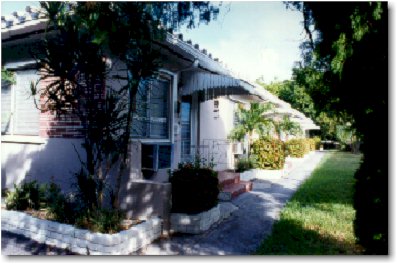
The CHARLEE Independent Living Program utilizes a house parent model in a rather unique setting to allow the teenagers in the program a certain degree of freedom while, at the same time, teaching them responsibility, The physical plant of the CHARLEE Independent Living Program allows two or three teenagers to share a studio efficiency apartment (complete with bathroom, stove, sink, and refrigerator) while having a house parents on the premises who provide needed supervision, guidance, support, and are wonderful role models for these young adults There are three studio, efficiency apartments, a common family room apartment, and a house parent apartment.
Over the years, some very practical, parsimonious, and logical interventions and routines have been developed to teach the teenagers independent living skills and economic self reliance. Here are some examples of techniques that have proven to be successful:
1. WEEKLY BUDGETING - Each week each child is given a certain amount of money to spend on groceries. Through trial and error children learn that buying "junk" and preprocessed packaged foods is much more expensive than preparing meals from scratch, where as, making meals from scratch takes a lot more time. The lesson of cost over convenience is stressed in a very experiential sense.
2. GROUP MEAL PREPARATION - Each teenager must prepare the family dinner meal one day each week. This requires that teenager to put forth thought and effort, because if they don't, their peers will certainly let them know ("what goes around comes around") Many lessons are taught in this practical experience including: budgeting, meal preparation, and a sense of community responsibility.
3. SURVIVAL WEEK - One week every other month is designated "survival week". During this week each teenager has to budget, shop, and prepare meals (breakfast, lunch, and dinner) on their own. This includes coupon clipping, shopping for sales and learning, in a first hand way, what it will be like to manage living on their own.
4. WEEKLY LIFE SKILLS GROUP - Each week all the teenagers in the CHARLEE Independent Living Program meet with the young adults who have graduated from the program and discuss current issues relating to being teenager trying to gain or maintain independence. This allows the more experienced teenagers who have graduated to impart their life experience to the teenagers who are waiting to graduate.
Go to Top